Videos
Reviews:
-
Watch this review on YouTube
While it has some decent voice acting, and a periodic sense of humor that comes through, old-school mechanics and a lot of wandering around hold back greater fun
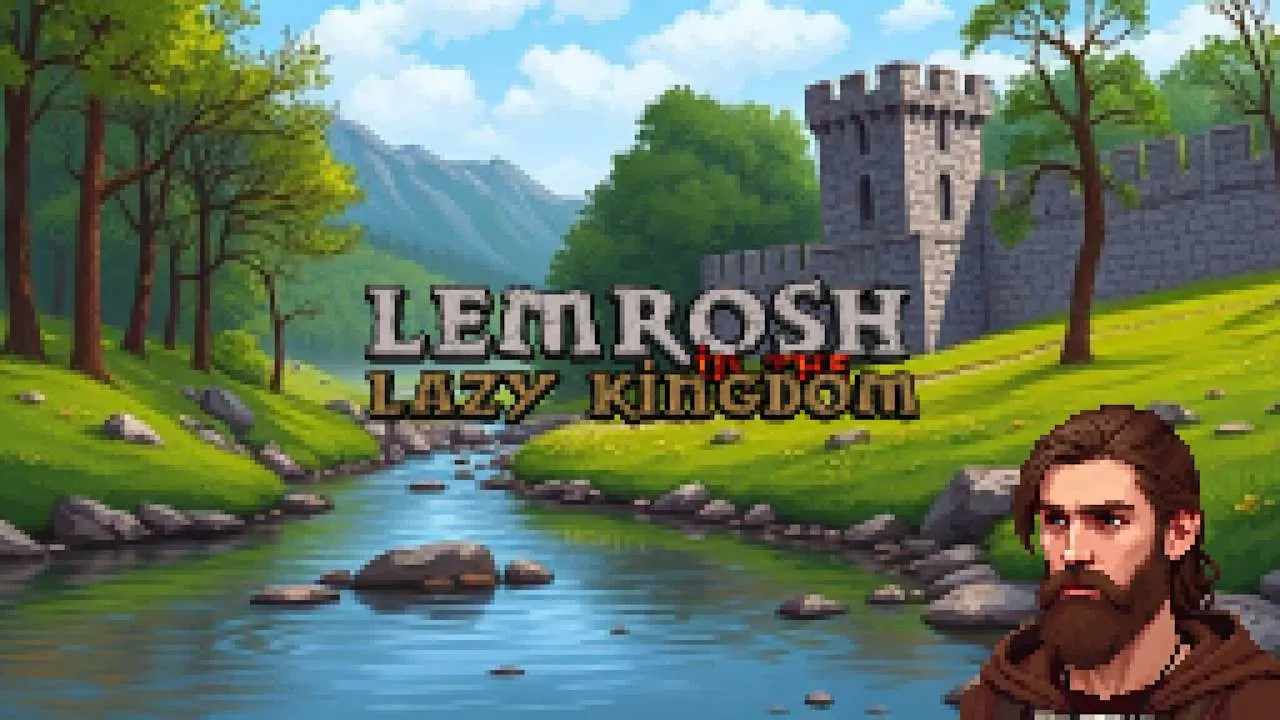
Before this last generation, if you’d told me that the old-school point-and-click classic adventure style would be back, and that it would be flourishing on the Switch eShop, I don’t think I would have believed you. For anyone who wasn’t alive way back in the early days of PC games, it would be hard to describe how huge the adventure game market was at that time. Sure, there was plenty of variety to be found out there, but LucasArts, Sierra, and some others were consistently cranking out great titles. At the tail end, with games like Myst and some that started experimenting with full-motion video, the genre seemed to peak though, and in general it sort of collapsed shortly after. It took the power of passionate smaller indie developers who loved that era, and who were working on budgets small enough that they didn’t need huge breakthrough hits, to revitalize the genre and so here we are now.Of course, that means LeMrosh in the Lazy Kingdom is walking into an eShop full of legitimate competition, so it has its work cut out for it. In terms of how it fares, it ends up being a sort of mix of good and not so good, though hardly terrible either. On the plus side, I really appreciate the amount of voice work the game features, and more often than not it works. Not all voices are of equal quality, but at least they don’t sound like they were recorded in a closet and the people involved are putting in an honest effort. As an old-school adventure gamer the pixel art actually looks quite authentic, which is nice, but I’ll admit there’s a blurriness to it that’s also a little odd.In terms of the troubles, I’d say the first is that it feels like you spend quite a lot of time simply meandering around while you get to know where things are, and then some hikes to backtrack to someone or something you need to deal with can be tedious. The same can be said for the style of the interface, which may be authentic for the time it is emulating, but that doesn’t make the choice to skip using a more context-based system less disappointing. If you’re like me and have an appreciation for the genre’s earlier days, this could very well be a fun time, prompting some feelings of nostalgia even. If you’re instead a more modern gamer, or are less interested in turning back the dial a bit in terms of genre sensibilities, it’s probably going to be of less interest though.
Justin Nation, Score:Good [7.3]