
Videos
Reviews:
-
Watch this review on YouTube
While I’m always down to see how roguelike sensibilities can be combined with new ideas, in this case some of the results disappoint
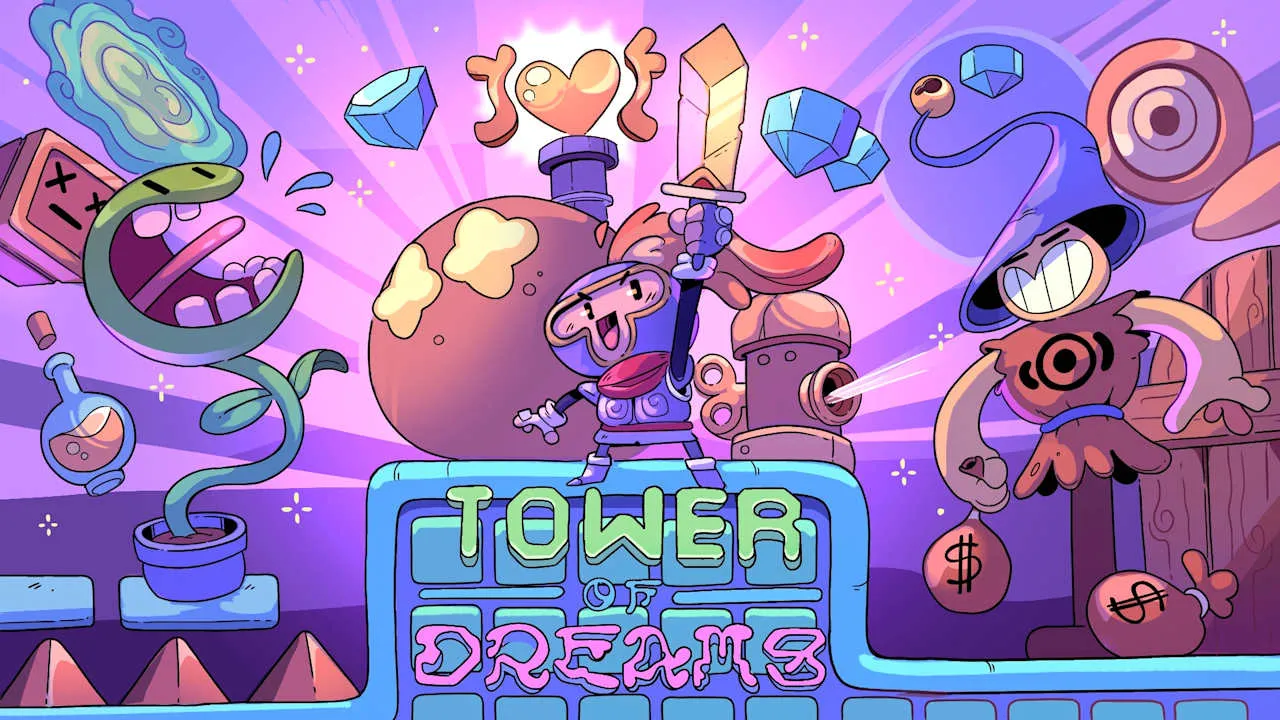
If you’ve checked in on this channel before, you’re likely aware that I’m a pretty big fan of making everything possible roguelike. While that often makes the resulting games more challenging, what I mostly enjoy is seeing familiar genre play revitalized and refreshed in some way, with elements of unpredictability. Yes, roguelikes are more repetitive by nature, typically forgoing epic stories or meticulous level designs for runs that will often reuse and remix elements, but when done properly they can absolutely work well. Looking at success stories like the Hades series, Dead Cells, Vampire Survivors, and Slay the Spire, each representing very different core genres, super-charging traditional gameplay with new elements can deliver great fun.One of the genres I haven’t seen the formula applied to much, certainly lacking anything I can think of that would be of significant note, would be the humble old-school platformer. On the surface this does make some amount of sense, considering that a core element of these titles tends to be simplicity to begin with, but given some of the other surprises in other unlikely genres I’ve seen, I had high hopes. Unfortunately, I’d say that in the case of Tower of Dreams it really just doesn’t come together, at least not in a way that makes it clear going roguelike was of significant benefit.Don’t get me wrong, as a budget and pretty simplistic precision platformer, the game checks quite a lot of boxes, it’s just when you then bring new elements to the party they also need to be evaluated. My biggest beef is that while you’ll acquire both passive and active items to help you out on each run, many of them feel like simple stat boosts or fail to do much to differentiate themselves from each other. Another major feature I’ve come to expect in better roguelikes is a clear element of risk and reward to complicate your decision-making on any given run, something that really doesn’t feel present in this case. Taking it all in, the result is one I find somewhat challenging, with the core precision platforming play making sense and working quite well, but the roguelike elements feeling more tacked on without truly transforming the experience. Depending on what you’re looking for, it may be a fair match, but it also feels like it comes up short on its ultimate potential.
Justin Nation, Score:Good [7.4]